
Sport and Meditation - New Book
Recently, a new book was published entitled - Sport and Meditation - the inner dimension of sport by Sri Chinmoy.
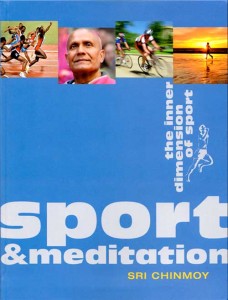
Sri Chinmoy taught that sport and meditation can easily complement each other. For example, Sri Chinmoy wrote that the poise we gain from meditation can increase our outer strength.
"In sports we need energy, strength and dynamism. When we meditate, we make our mind calm and quiet. If inside us there is peace, then we will derive tremendous strength from our inner life. That is to say, if I have a peaceful moment, even for one second, that peace will come to me as solid strength in my sports, whether I am running or jumping or throwing. That strength is almost indomitable strength, whereas if we are restless, we do not have strength like that." [1]
Sri Chinmoy himself was an active sportsman. In his early life, he was the decathlon champion of the ashram where he grew up. Later in life, he took up weightlifting - demonstrating that the power of meditation can help us to transcend our capacities.
The new compilation of writings by Sri Chinmoy includes a foreward by 3-time duathlon World Champion, Olivier Bernhard. He begins
"For me, sport is meditation. Athletes in many sports speak about experiencing a state of energy flow when being in perfect balance with their mind and body. It is a state where pain and fatigue do not exist."The book is published by Goldenshore.de. It contains inspiring anecdotes with great athletes such as Carl Lewis (a long time friend of Sri Chinmoy) It also includes practical tips how you can improve your own sporting practise through incorporating techniques of concentration and meditation. There is also a section on self-transcendence for older people. With his weightlifting, Sri Chinmoy wished to show that age need not be a barrier.
"There is no age limit. When we pray and meditate, we go far beyond the domain of the mind, the physical mind that doubts our capacities." (p.174, Sport and Meditation)
Footnotes[1] Sri Chinmoy, Run And Smile, Smile And Run, Agni Press, 2000.
Play about Sri Ramakrishna
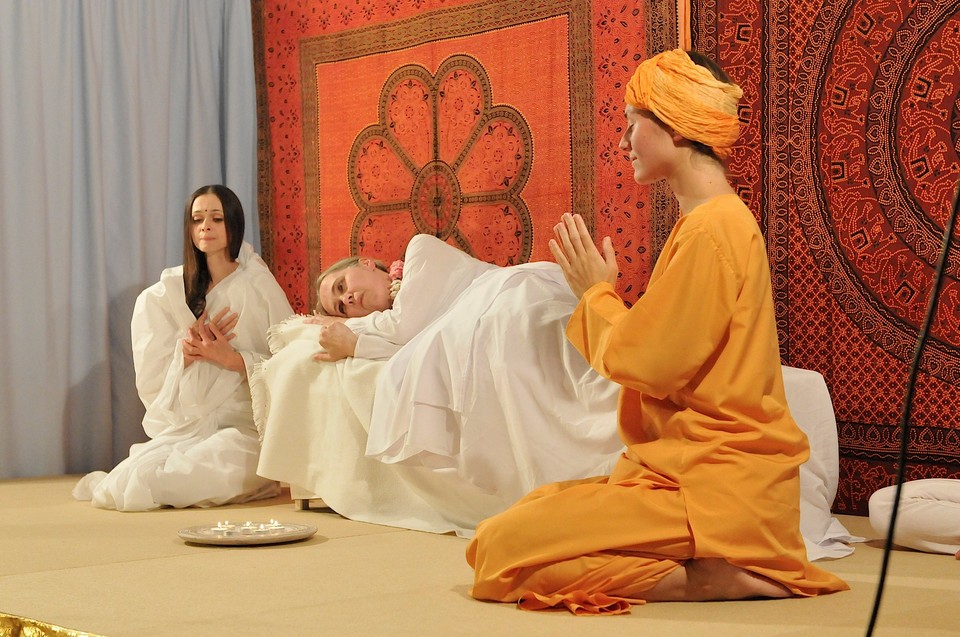
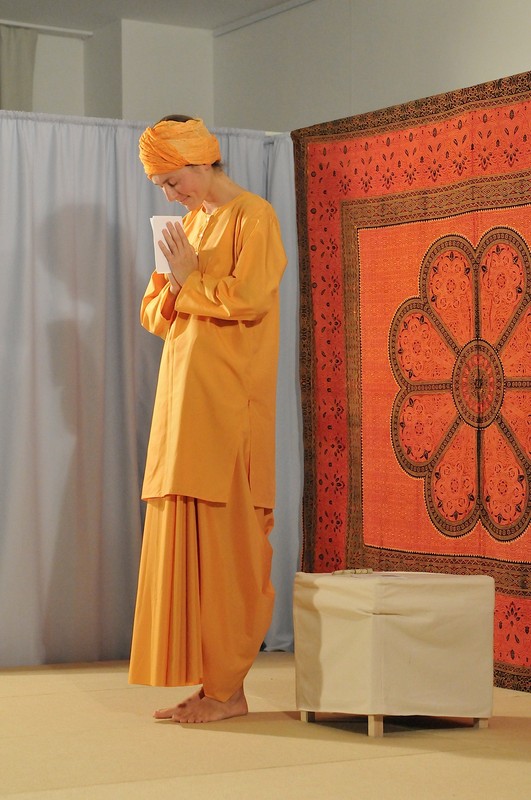
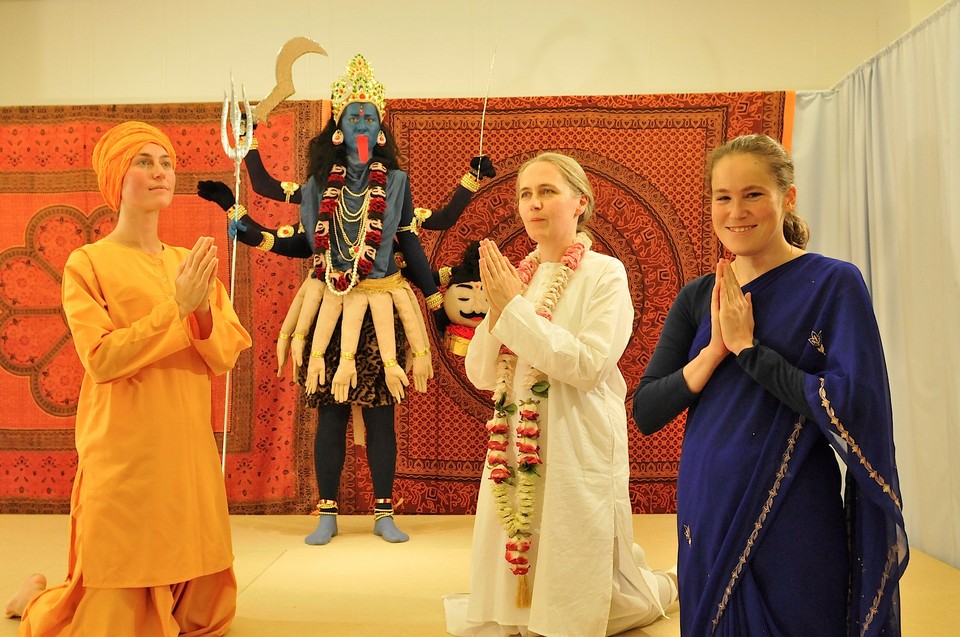
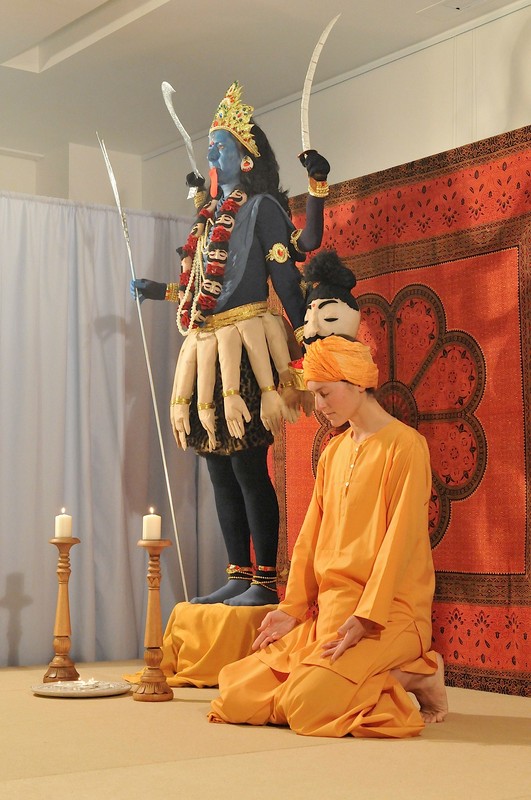
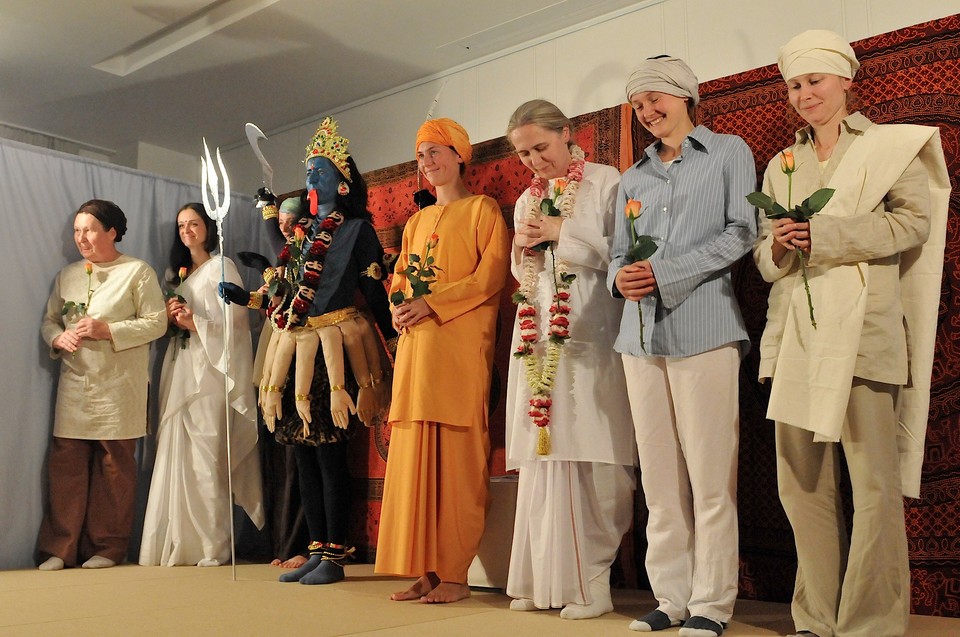
Recently, members of the Sri Chinmoy Centre in Prague, Czech Republic performed a play about the lives of Spiritual Master, Sri Ramakrishna and his disciple Swami Vivekananda.
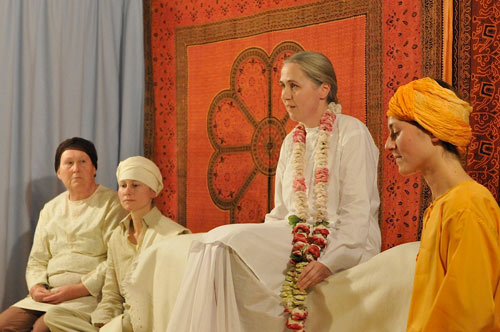
The play was based on passages from the original book "Drink, Drink My Mother's Nectar" by Sri Chinmoy. This short play captured some key moments from the life of Sri Ramakrishna, and his disciple, Swami Vivekananda.
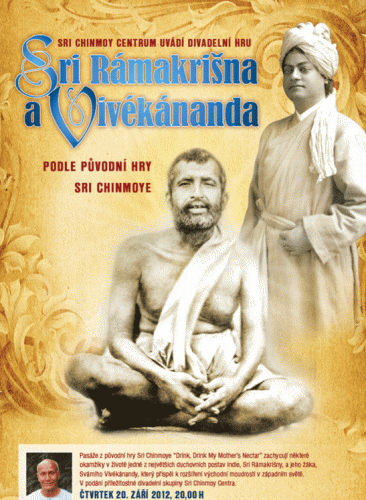
Sri Ramakrishna (Thakur) is one of the greatest spiritual figures of modern times. He taught the essential unity of all religions - illustrating, though his own sadhana, that each religion could take you to God.
Swami Vivekananda (Naren) become the living embodiment of Sri Ramakrishna's vision. In 1893, he travelled to America and captivated the audience at his address of the World Parliament of Religions, in Chicago.
THAKUR (to himself) : The synthesis of all religions, the union of East and West, self-dedication, self-sacrifice: these are all big, big words, big theories, big ideas, big ideals. But where are they, Mother? Mother, you are talking to me about all these things. These are such high ideals. But where are your dedicated soldiers? Mother, you never tell me lies. Where are they? Where are your chosen children? O chosen children of my Mother Kali, my heart is crying for you. Come. Come. Do Mother’s work. You have to fulfil the Mother. You have to manifest the Mother on earth.
Excerpt from Play
THAKUR (Sri Ramakrishna) (with all affection and love) : Ah, Naren, you have come. You have come to me after such a long time. I have been talking to worldly people for so long. I have become practically deaf from hearing the complaints and unaspiring chatter of ordinary people. People are throwing all their worldly desires into me. Now I have nobody I can speak to about my inner life. I have nobody to tell what is going on in my heart. Naren, tell me, when are you going to come again?
NAREN (Swami Vivekananda): The moment I get an opportunity I will be back again. Why do you think of me so much? Why do you speak to others all the time about Naren, Naren, Naren? Don’t you know the story in the Puranas about King Bharata who always thought of his deer? Then, in the following incarnation, he became a deer.
THAKUR: You are right. But what can I do? I can’t keep my mind away from you. All the time I think of you. When I don’t see you I feel miserable. (Closes his eyes and speaks to Mother Kali.) Mother, listen to what Naren is telling me. (After a few moments he opens his eyes and speaks to Naren.) I will not listen to you. You are not saying the right thing. Mother says that I see you as Narayan, I see you as the incarnation of God. The day I don t see you as the incarnation of God, I will not even look at your face.
NAREN: If that is true, then why have you ignored me for such a long time? I have come to you and you have avoided me, ignored me mercilessly. You have shown me such contempt the past few times.
THAKUR: Mother, Mother, listen to this fellow! (To Naren.) Can I avoid you? Can I ignore you? Can I show contempt to you? Impossible! You do not know; you cannot fathom my inner workings Naren, tell me one thing. Granted, I have not been nice to you. I have been very unkind, very rude to you. So why do you keep coming to me?
NAREN: I come here to listen to you. I adore you. I worship you. I want to see you, Thakur, even if you are unkind to me. I love your presence. I love your meditative mood. I love your trance. I love everything you do because I love you.
THAKUR: My son, I have been testing you. I wanted to see what would happen if I didn’t show you affection and love—whether you would stay with me or not. It is only you who can bear such indifference and contempt from me. Had it been somebody else, he would not have come to my place anymore. Nobody else would have stayed with me. Whoever got that kind of treatment from me would have hated me to the end of his life.
NAREN: It is all due to your compassion, to your love, that I stayed. You know that my anger is of the quickest. But you gave me shelter in your heart. You brought me into your soul and made me your true son.
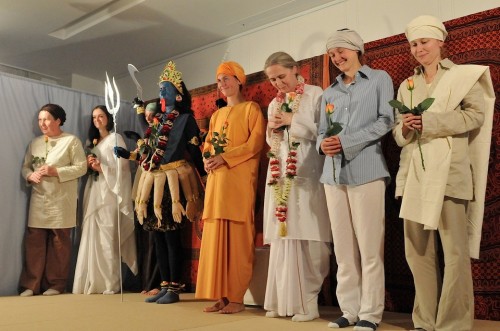
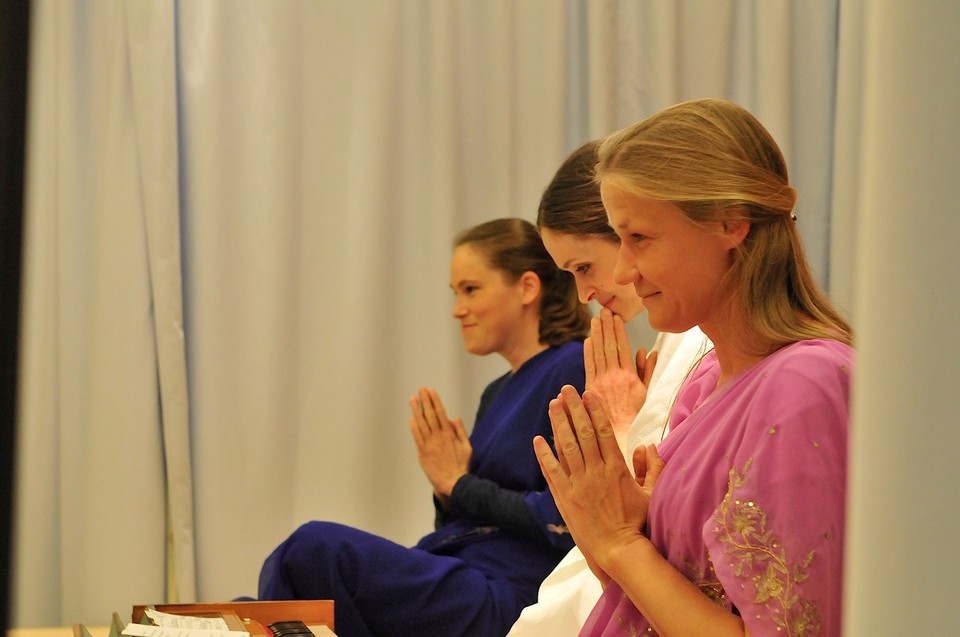
- Photos from the play (in Czech)
- Drink, Drink My Mother's Nectar at Sri Chinmoy Library
World Harmony Run at the European Parliament
The World Harmony Run was invited to the European Parliament in Brussels today. During a special program the runners shared Sri Chinmoy's vision of world-peace and harmony with European politicians from different countries.
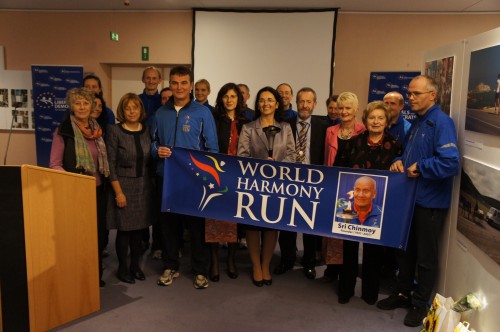
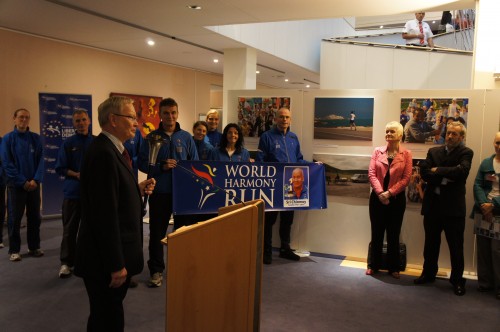
Ten MEPs (Members of European Parliament) from Ireland, Finland, Estonia, Slovenia, Luxemburg, Austria and Denmark participated in the program which took place inside the Parliament building. The MEPs held the Peace Torch and gave glowing speeches praising the initiative of running for peace. The ceremony was hosted by Angelika Werthmann, MEP from Austria.
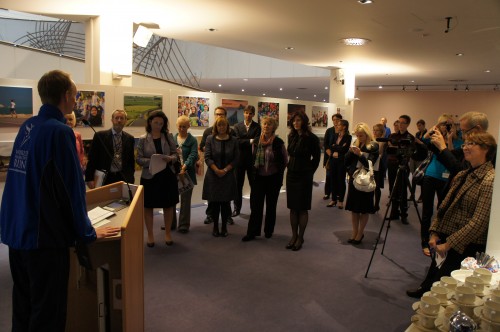
One MEP told the runners, "You are the living embodiment of the motto of the European Parliament, 'unity in diversity'." It was the sixth visit of the World Harmony Run to the European Parliament since 2006.
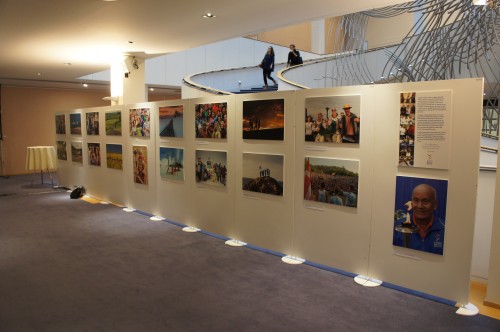
A photo exhibition with photographs from the Run in Europe was presented together with the ceremony. The photo's will be displayed in the European Parliament for the rest of the year.
Divadelní hra - Sri Rámakrishna a Vivékánanda
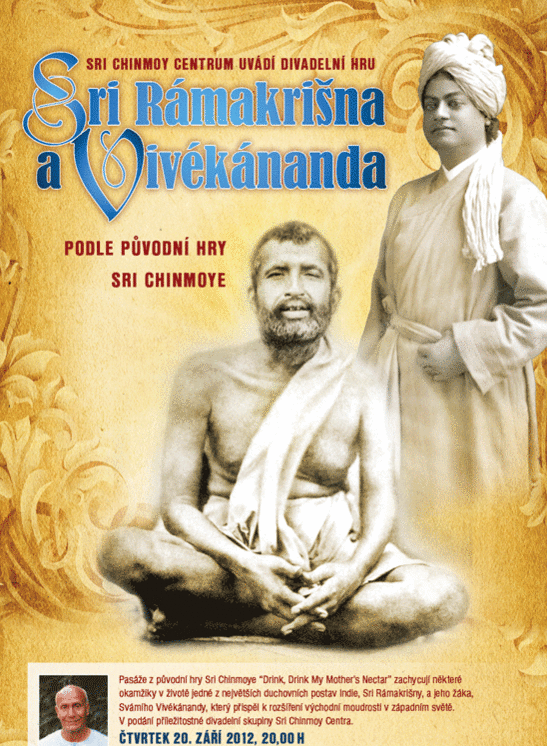
20. září 2012
Během září byla v Praze představena divadelní hra z pera Sri Chinmoye nazvaná Sri Rámakrišna a Vivékánanda, kterou nastudovalo Sri Chinmoy Centrum v Praze. Pasáže z původní hry „Drink Drink My Mother’s Nectar“ zachycují některé okamžiky ze života Sri Rámakrišny, a jeho žáka, Svámího Vivékánandy, který přispěl k rozšíření východní moudrosti v západním světě.
Sri Rámakrišna patří mezi největší duchovní postavy Indie a je jednou z nejvýznamnějších duchovních osobností moderní doby. Je znám především díky přiblížení se Bohu pomocí rozmanitých duchovních tradic - hinduismu, křesťanství či islámu. Pro Rámakrišnu jsou všechna náboženství odhalením Boha v rozmanitých aspektech. Jedním z jeho největších příspěvků v moderním světě je poselství harmonie všech náboženství.
Ukázka ze hry:
Matko, dej mi Světlo poznání, Světlo rozlišování a Světlo odříkání
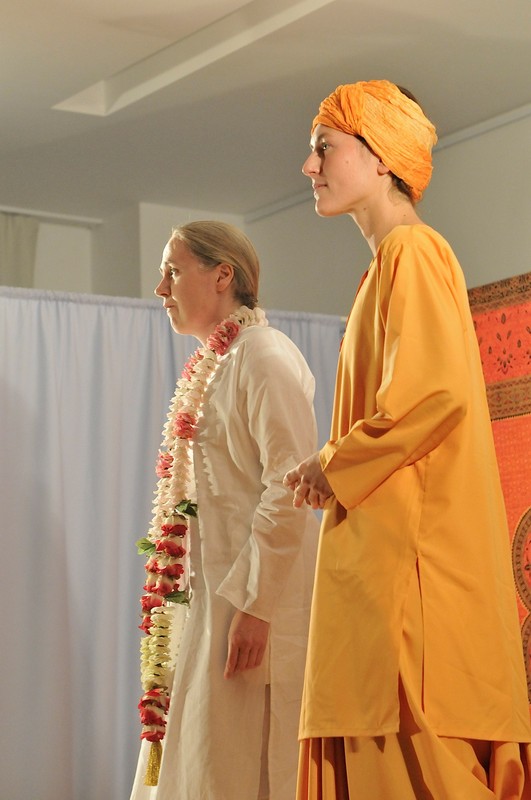 NAREN (VIVEKANANDA)
SRI RÁMAKRIŠNA
ŽÁCI ŠRI RÁMAKRIŠNY
Obraz I
(Je noc. Naren medituje v chrámu Kálí. Po chvíli se položí na zem před sochou Matky Kálí.)
NAREN: Jnana viveka vairagya de ma. Matko, dej mi světlo poznání, světlo vnitřního rozlišování a světlo odříkání, abych tě vždy mohl vidět.
(Spěšně vstoupí Sri RÁMAKRIŠNA.)
SRI RÁMAKRIŠNA: Narene, požádal jsi Matku Kálí o peníze pro svou rodinu? Co jsi dělal?
NAREN: Jaké překvapení! Úplně jsem na to zapomněl.
SRI RÁMAKRIŠNA: Nevadí. Dám ti ještě jednu šanci. Požádej ji o peníze, o materiální bohatství. Matka Kálí ti je dá.
(Naren se obrátí k soše a znovu začne meditovat.)
NAREN: Matko, dej mi světlo poznání, světlo rozlišování a světlo odříkání. Matko, Matko má, Matko mého srdce i duše.
SRI RÁMAKRIŠNA: Zase jsi zapomněl. Proč zapomínáš, že tvá matka a bratři a sestry všichni hladovějí? Požádej Matku Kálí, aby zachránila tvou rodinu před bídou. Jedině teď o to můžeš Matku Kálí požádat. Nebudu ti moci dávat stejnou příležitost každý den. Já jsem připraven dát ti ji kdykoliv. Ale Matka Kálí to nedovolí. Dnes jsem ti to slíbil, protože Matka Kálí mi řekla, že dnes vyplní tvé modlitby nehledě nato, o co ji požádáš. Teď jsi ztratil svou druhou příležitost. Prosím, můj synu, tentokrát nezapomeň. Pamatuj si, že musíš Matku Kálí požádat o materiální bohatství. To teď potřebuješ. Právě teď nepotřebuješ duchovní bohatství.
NAREN: Ne, nechci žádné další příležitosti. Nepotřebuji materiální bohatství. Chci nektar Matky a nic jiného. Nebudu ji žádat o tykve a dýně. Mohu ji požádat pouze o ovoce nektaru.
SRI RÁMAKRIŠNA: Protože nedokážeš Matku Kálí požádat o materiální bohatství a prospěch, chci ti říci, že nikdy nebudeš mít pohodlný život. Od této chvíle ale budeš schopen vyjít. Ty a tvá rodina nebudete hladovět. Budete schopni žít alespoň z ruky do úst. Tolik pro tebe Matka Kálí udělá. (Zavolá.) Pojďte ke mně, všichni, kdo jste tady! Bez ohledu na to, kde jste. Přijďte! Všichni mí žáci, pojďte sem!
(Vstoupí žáci)
SRI RÁMAKRIŠNA: Vy jste mi tvrdili, že můj Naren se stal ateistou. Podívejte se! Nedokázal požádat mou Matku Kálí o materiální bohatství. Víte, že hladoví? Jeho matka a bratři a sestry nemají doma žádné jídlo. Přesto nedokázal Matku Kálí požádat o materiální bohatství. Nikde na zemi nenajdete nikoho, kdo se vyrovná mému Narenovi. Je vaším vůdcem. On vás povede a bude vám ukazovat směr. On se o vás bude starat. Mé tělo už dohrává svou úlohu. Brzy odejdu na onen svět. (K Vivekanandovi.) Narene, mé dítě, zazpívej píseň. Budu při tvém zpěvu meditovat.
(Naren zpívá. Sri RÁMAKRIŠNA medituje v hlubokém tranzu.) Sundara hate sundara tumi....
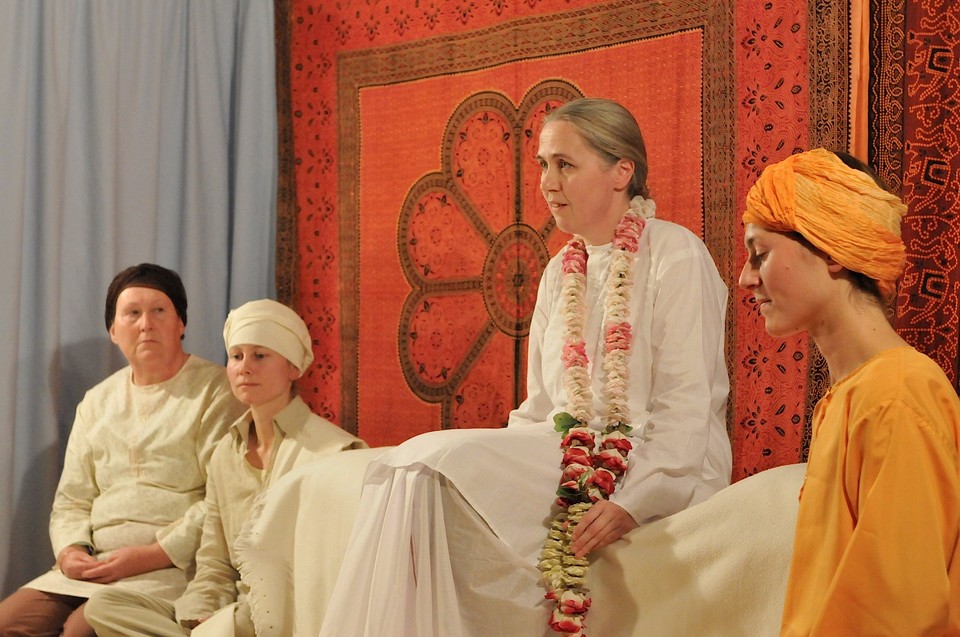 Jsi krásný, krásnější, nejkrásnější,
Krása nepřekonatelná v Zahradě Ráje.
Kéž ve dne i v noci přebývá Tvůj Obraz
v nejvnitřnějších hloubkách mého srdce.
Bez tebe nemají mé oči žádný zrak.
Všechno je iluzí, vše je pusté.
Všude kolem sebe, uvnitř i venku
Slyším melodii temných bolestí.
Svět je plný mučivých bolestí.
Ó Pane, Ó můj krásný Pane, Můj Pane
krásy, v tomto životě, pouze na letmou
vteřinu, kéž jsem požehnán darem
Uvidět Tvou Tvář.
The Olympic Spirit
Last Saturday, I went down to London to help with their 10 mile race in Battersea Park. Helped by beautiful weather and a post Olympic enthusiasm for anything athletic, there was a record turn out with over 250 runners.
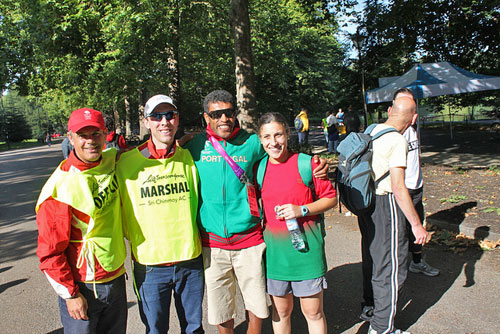
Also at the event were several members and support crew from the Portugese Paralympic team. One of the runners had come across Sri Chinmoy at an earlier stage and was enthused by his philosophy. The athlete himself is quite an inspiration, showing how a disability like partial blindness is no barrier to a full and active life.
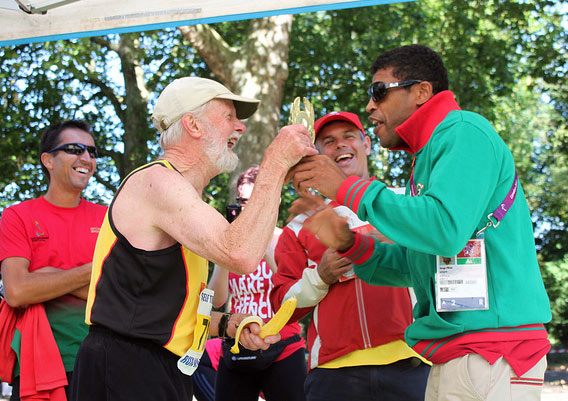
What impressed me most was the generosity of spirit shown by these paralympian athletes; they had such enthusiasm and were obviously happy to be taking part in our very small race. They were in no rush to leave, but quite happy to chat and inspire the regular runners after the race. The Portugese runner (who was running the Paralympic marathon the next day) also helped to hand out the trophies to the very appreciative runners. Even in a small race such as this, it was nice to have a link with the huge global event of the Olympics / Paralympics across the city. It was also a reminder of how sport, and the Olympics in particular can be so relevant and inspiring to everyday people.
This summer felt like our ‘annus mirabilis.’ It was a real privilege to be hosting the Olympics and take part in this global event which gave so much joy to so many people. Against the expectations of the inevitable doom-mongers, the Olympics showed how sport can really unite and bring out the best in people. Usually, I can’t bear to watch the news on TV or read newspapers, but for a short time they were so full of inspiring news and positivity, I actually really enjoyed it.
After coming back from Celebrations in New York, you often feel somehow transformed, purified and re-energised. To me, it felt the Olympics had a similar effect on the nation. So many people said they had never felt such a sense of pride and togetherness.
Sri Chinmoy wrote of the Olympics:
“The very word ‘Olympics’ is, for me, a magnificent thrill, absolutely a universal thrill, and it raises the consciousness of humanity in the inner world. True, in the outer world we may notice some wrong forces, but in the inner world the Olympics is a great opportunity for the upliftment of human consciousness.
The Olympics are an unprecedented, auspicious, glorious and precious Greece-vision. And what is this vision? This vision is nothing other than world-happiness. Happiness is love bubbling forth into the newness and fulness of true life, illumining life and fulfilling life.”
(from Sport and Meditation, - P 166, unofficial)
It was a real privilege was the opportunity to live and participate.
Of course, it helped that Great Britain did very well, and in the cycling especially.But, the Olympics was much more than winning and gold medals. It was the thrill of seeing so many athletes strive to do their best. It was an opportunity for thousands of volunteers to learn the joy of giving without expectation of financial reward. At the opening ceremony, it made my spine tingle to see so many nations come together in one small, but significant athletic stadium. The walk past of nations, reminded me of our own country walk-pasts when Sri Chinmoy would often want to show his international family to a visiting guest.
Even as the Olympics was coming to an end, you were thinking? Why can’t it always be like this? Why do we have to go back to worrying about budget deficits and such depressingly mundane issues? The Olympics shows that life can be so much better when there is a positive vision and dynamism. It is with a real sense of gratitude that there are events such as this.
Throughout the Olympics, one thought kept coming to my mind – how happy Guru is to be watching this from his heavenly viewpoint. I could almost feel Guru in the stadiums cheering on this noble human endeavour. Guru’s mission and philosophy shares so many precepts with the Olympics. The ideal of self-transcendence, the hope and dream of uniting the world in a oneness-world family. Pride in the achievement of your own country, but being able to cheer all your competitors with equal satisfaction.
The Olympics alone would have been life-transforming, but given Guru’s life-long service to the ideals of peace and working for a better future, it was very touching to see Sri Chinmoy honoured in an event near the start of the Olympics. A Moment’s Peace was an exceptional ceremony where many great Olympians and dreamers of world peace came together to honour and appreciate Sri Chinmoy’s vision and life. It deserves it’s own article - suffice to say it was very moving and uplifting.
Songs of the Soul NY
Recently, members of the Sri Chinmoy Centre offered a concert of Sri Chinmoy's music at the New York Society for Ethical Culture in Manhattan.
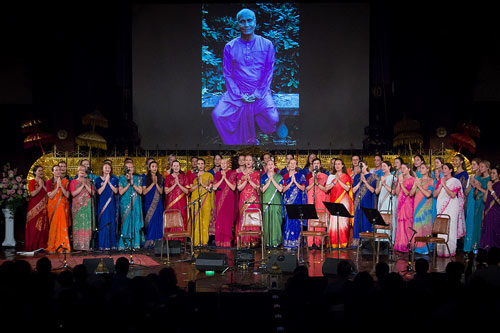
The concert featured music from Ghandarva Loka and also contributions from the Russian music legend, Boris Purushottama Grebenshikov. The music was composed by Sri Chinmoy in English or his native Bengali.
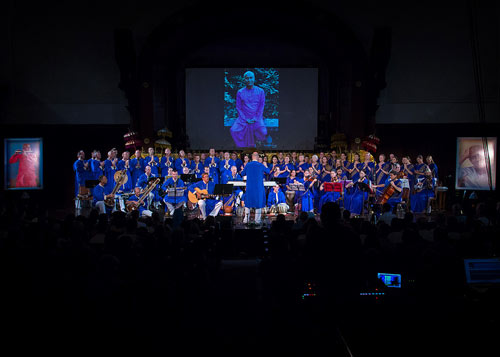
The concert, which was free for members of the public, was part of the 81st birthday celebrations for Sri Chinmoy. Over 1,000 people visited New York from all other the world to take part in events of meditation, music and sport.
photos: Jaitra
Recording of Bengali Songs
A new recording of 13 significant compositions by Sri Chinmoy, sung by various members of the Sri Chinmoy Centre.
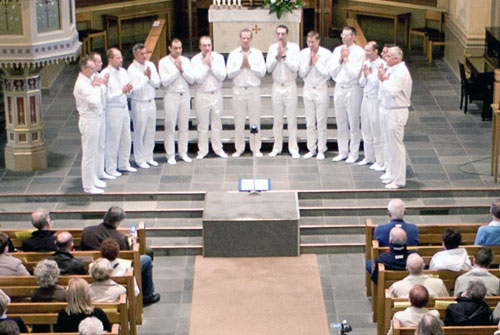
From the publishing of his first songbook (The Garden of Love-Light) in 1972 to his passing in 2007, Sri Chinmoy composed over 22,000 songs — an average of 640 songs per year for 35 years! Of these 22,000 songs, over 13,500 are in his native Bengali and over 8,300 are in English, ranging in length from one-line mantric songs to a 208-line epic.
This recording includes every 1,000th song from the first song (Tamasa Rate Nayan Pate) to the 13,000th song (Shakpura Shakpura).
Sri Chinmoy writes that soulful singing can significantly help a seeker to go deep within.
But when we want to get something very, very deep, something that will help us to climb up high, higher, highest, soulful singing is the right thing.
Many, many times I have seen that when people sing very prayerfully and soulfully—not the songs that are fast and lively and give joy to our vital—but songs like Jiban debata or Bhulite diyona, Mother-Earth or the soul of that particular place receives light. Afterwards, that light spreads like a fountain from any part of the world where people are singing soulfully.
- ‹ previous
- 125 of 337
- next ›

Except where explicitly stated otherwise, the contents of this site are licensed under a Creative Commons Attribution-NonCommercial-NoDerivs 3.0 Unported License. read more »
SriChinmoyCentre.org is a Vasudeva Server project.